TOTALSPORTEK NEWS
James McClean: Standing Firm in the Face of Controversy
17 October 2026
· 4 min read
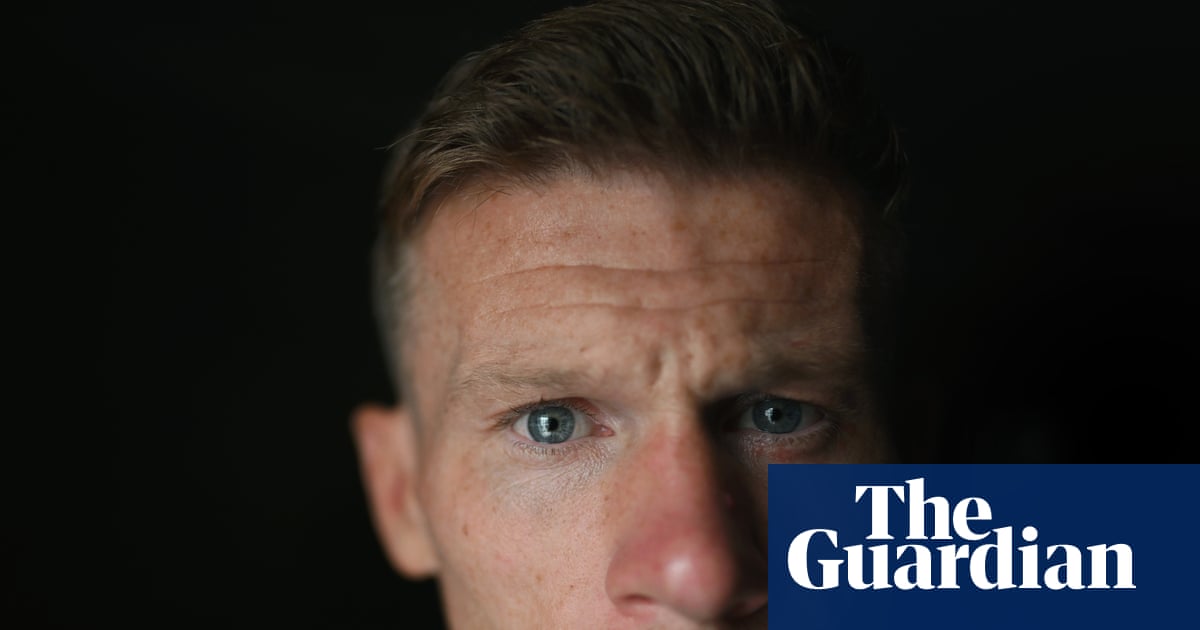
James McClean isn't shy about how people perceive him. "The general view is that I’m a madman," he states with a calm demeanor. "I’m outspoken, opinionated, and supposedly hate everything British. But that’s not me at all. I’m pretty ordinary. I train, go home, and unwind. My days are often quite dull."
On a dreary Monday in Derry, McClean’s appearance might be gaunt, but his legacy in football is substantial. After 14 years in English football, he finds himself at odds with his current club, Derry City, yet his achievements remain undeniable. With 103 caps for the Republic of Ireland, he’s the fifth-most-capped player in history. "Success can be defined in various ways," he asserts. "I’m the only Northern Irish footballer to hit that 100-cap mark. I’ve played 150 Premier League games and have no regrets about my career."
However, the shadow of controversy looms large over his journey, particularly regarding his refusal to wear the poppy during matches around Remembrance Sunday. "It has fundamentally changed who I am," McClean admits. "I’ve become a bit of a recluse because trust doesn’t come easily anymore. I’ve been hurt deeply."
His autobiography, *The Walls*, is a gripping read that dives into his life and career, revealing a side of him that isn’t always flattering, yet is profoundly honest. It sheds light on the painful history of Derry and how it shaped him.
Growing up in Creggan, a neighborhood scarred by the events of Bloody Sunday in 1972, McClean understands the duality of honoring soldiers from two world wars while also remembering the tragic losses inflicted by the British army in his city. On that fateful day, 14 unarmed civilians were killed, six of whom were from Creggan. It wasn’t until 2010 that the British government acknowledged these injustices with an apology from then-Prime Minister David Cameron.
Born in 1989, McClean reflects on the harsh lessons of his youth, including learning to make a petrol bomb. "I was 11 when I finally figured it out," he recalls, pausing to consider the implications for his own children. "I’m grateful they don’t have to face that. It’s a different time now, and I want them to feel proud of their Irish identity."
The contrast between his past and present is stark. "I grew up surrounded by the remnants of the Troubles. Gunmen were a common sight, and people were shot or punished in the streets. It was terrifying, yet it felt normal. That shouldn’t be the case, but it was my reality."
His biological father, Joe Kelly, was an alcoholic, and they spoke only once, when McClean was told to stay away. Despite that, his childhood was filled with joy, and when he joined Derry City, he felt liberated.
At 22, Steve Bruce brought him to Sunderland, and he quickly made his mark, debuting in the Premier League just months later. It was a thrilling time for the young player, full of promise and accolades. But everything shifted in November 2012 when the poppy controversy erupted.
When he informed Sunderland of his decision not to wear the poppy due to its association with the British army, the fallout was immediate. "There was no choice for me; it was never going to happen," he insists. The club, in an effort to protect itself, issued a statement that only intensified the scrutiny on him. "I felt they left me exposed. I was the player of the year the season before, but in that moment, I felt abandoned."
The situation escalated when he received threats ahead of a match against Fulham. "I remember my wife panicking as the police were stationed outside my door. It was surreal, but the Met took it seriously, and that made it all the more real."
When he took the field, every touch drew boos from both sets of supporters, a toxic environment that left a lasting impact on him. Despite the negativity, McClean found himself drawn to social media, seeking validation through the praise of his performance.
"Maybe that anger was always there, but it grew stronger during that time," he reflects. McClean eventually moved to Wigan and then West Brom, where he enjoyed his most lucrative spell, earning £42,000 a week while continuing to navigate the complexities of his career and identity.